
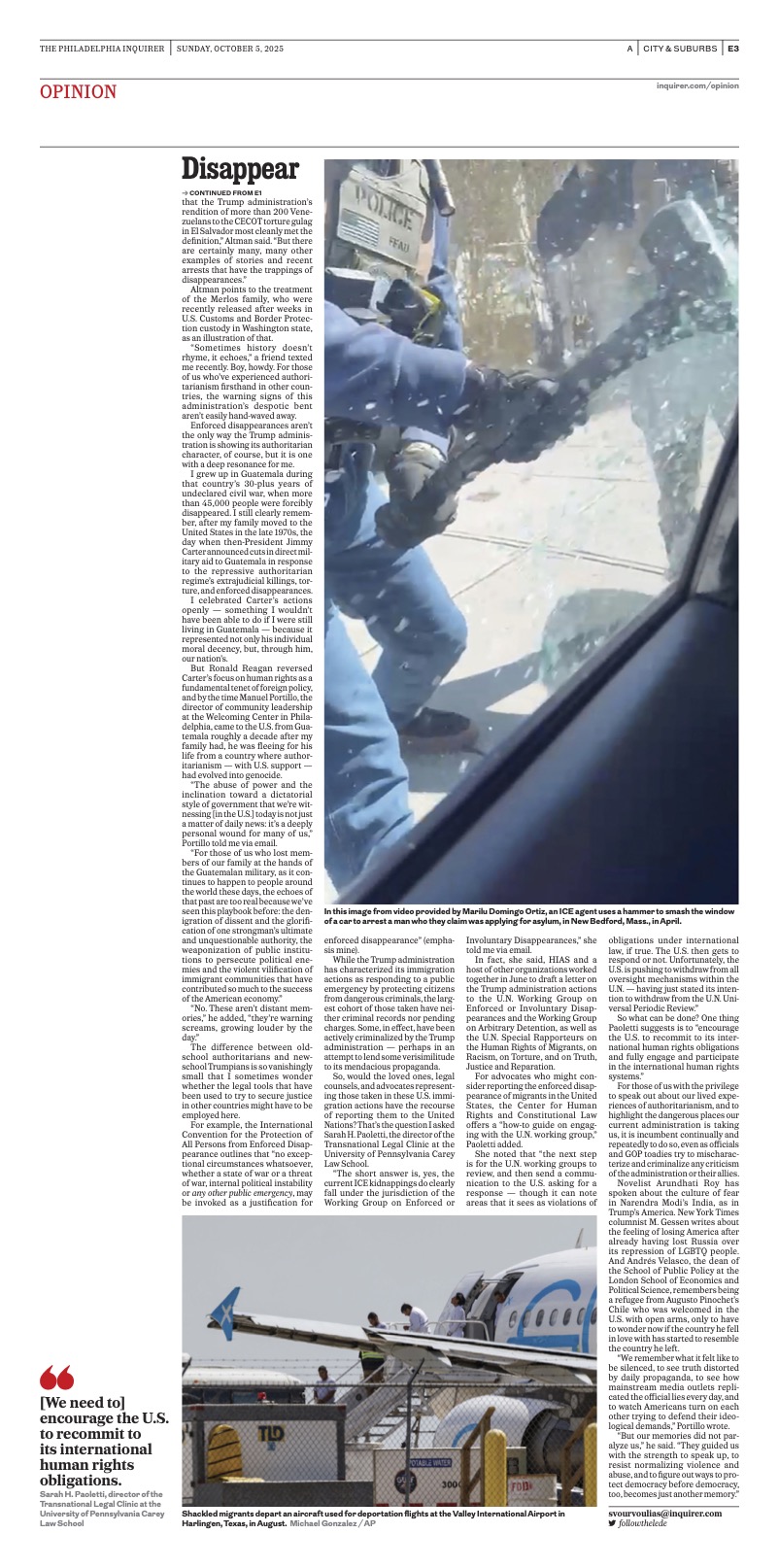
Read it online:
‘Say it with me: Our government is forcibly disappearing people’
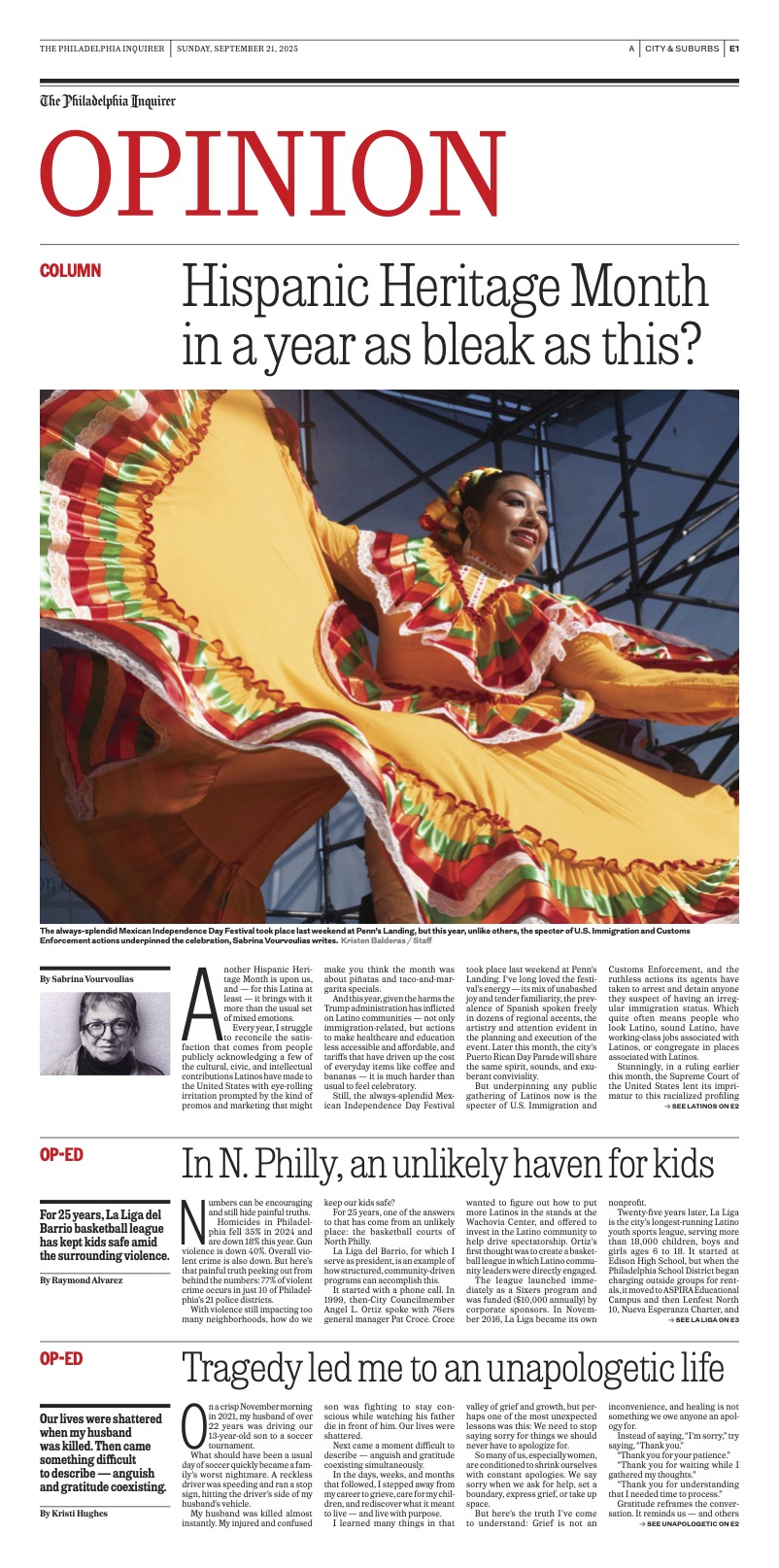
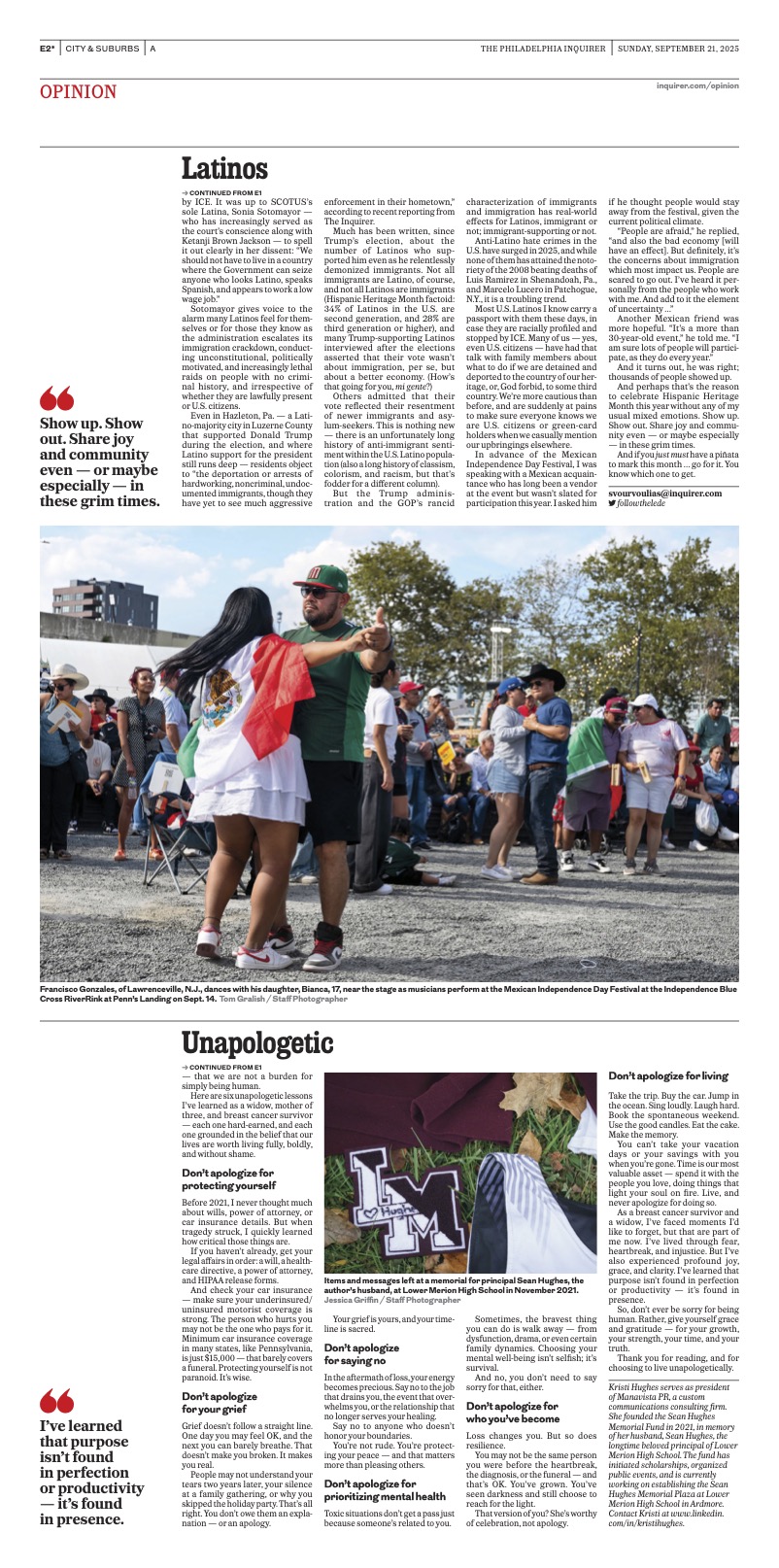
Read it online:
In a bleak 2025, I’m having a hard time celebrating Hispanic Heritage Month this year


As the second Trump Administration gets underway, the Brooklyn Defenders in association with the ACLU and other organizations, have produced a number of “We Have Rights” videos that can be instrumental in ensuring that immigrants who may be targeted by ICE know that they have rights at every stage of interaction with that agency.
Available in seven languages (Spanish, Krèyol, Mandarin, Urdu, Arabic, Russian and English), the videos can also help allies who document ICE agents interactions with immigrants. Further, if you are the member of a faith or community organization, you can schedule a screening of the videos.
Here is one of the videos:
The website has other resources as well, including how to create an emergency plan.
More to read and think about right now:
Immigration arrests in the workplace will harm all Pennsylvania workers

My speculative novel, Ink (first published in 2012 and reissued by Rosarium Publishing in 2018, during Trump’s first term) outlined what an immigration dystopia might look like — but also the ways communities and allies can work together to protect each other.


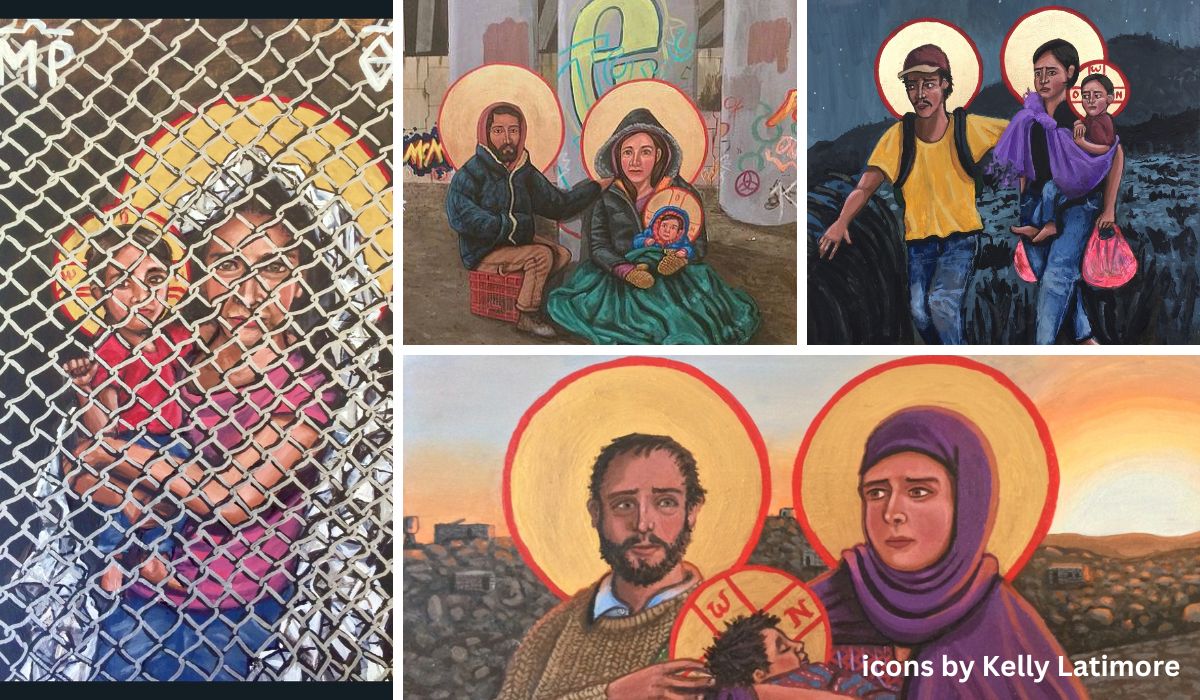
If you can, please consider contributing today to support the immigrant, refugee and asylum-seeking families who have embarked on their own arduous, life-changing journeys.
Donate to Philadelphia’s Welcoming Fund here: http://www.mayorsfundphila.org/initiatives/philadelphia-welcoming-fund/
❦
The image used in this post are icons by Kelly Latimore, which are available to purchase from his website in a variety of formats.

There is a particular smell to corn that has been soaked in wood ash lye, then washed and hulled and ground into a fine meal.
It is the aroma of freshly made tortillas, of tamales as they steam, of my mother’s huipiles.
Really. No matter how freshly laundered, no matter how many cedar balls or lavender sachets have been thrown in the drawer to keep the moths away, the distinctive hand-woven Guatemalan blouses my mother wore retain the smell of a grain turned more aromatic, more flavorful, more nutritious by the nixtamalation process.
Smell nixtamalizes memory.
Or maybe it is the other way around.
Read the rest of this essay at Skiffy and Fanty.


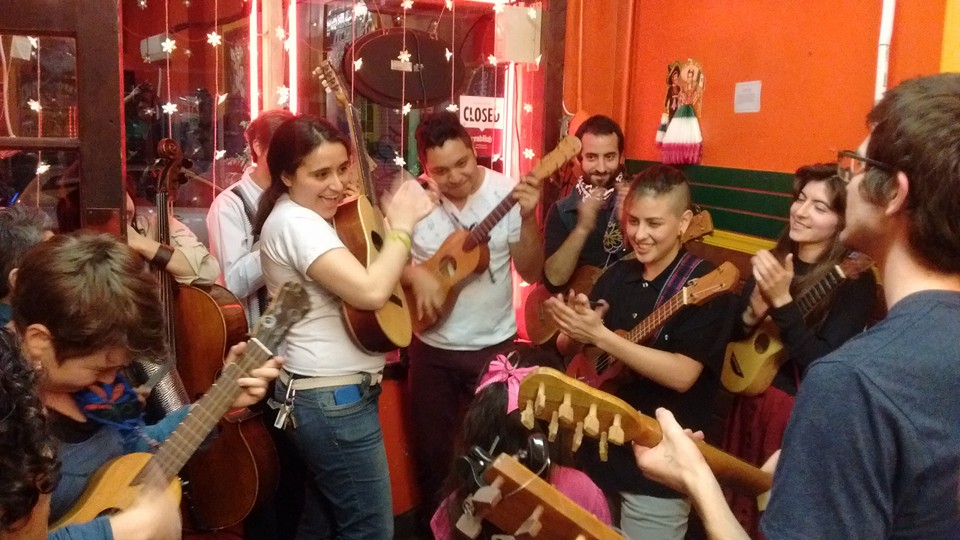
Yared Portillo, a Philadelphia community activist, has four of them: One she built from scratch; two others were secured from renowned artisans; the final one — received broken and in pieces from a friend — she carefully repaired and made whole again.
The repaired instrument isn’t a bad metaphor for the role the jarana has played in the US immigration protest movement for the past two decades. It’s a small, eight-string instrument from Veracruz, Mexico, patterned after a 16th century baroque Spanish guitar that is often confused with a ukulele.
In the hands of Chicanos or recent Mexican immigrants, the jarana — as well as the son jarocho musical form with which it is inextricably associated — energizes rallies and undergirds the chants of those who want to repair not only a broken immigration system, but the increasingly broken relationship between two nations sharing both borders and histories.
Read the rest of the article at PRI’s The World: What does protest sound like?



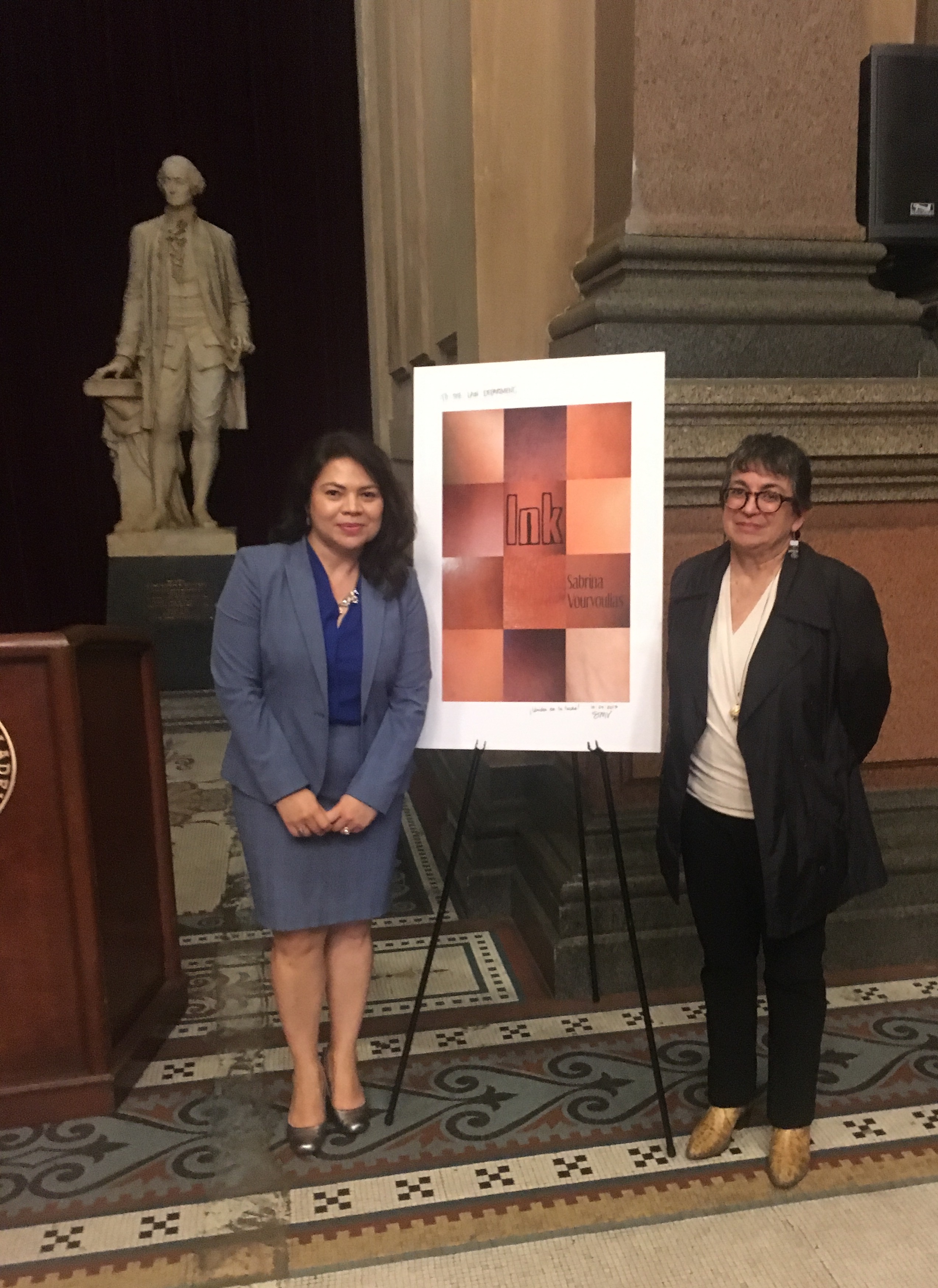
And, a thank you to the Law Department of the City of Philadelphia for inviting me to speak and read from my work at City Hall on Oct. 25:




It looks at the deportation stories of two men: Mout Iv, who was deported to Cambodia, and César, who was deported to Mexico, after a lifetime in the United States. It also looks at the changing definition of criminal deportations over the years…
Read more here.
 Sabrina Vourvoulias